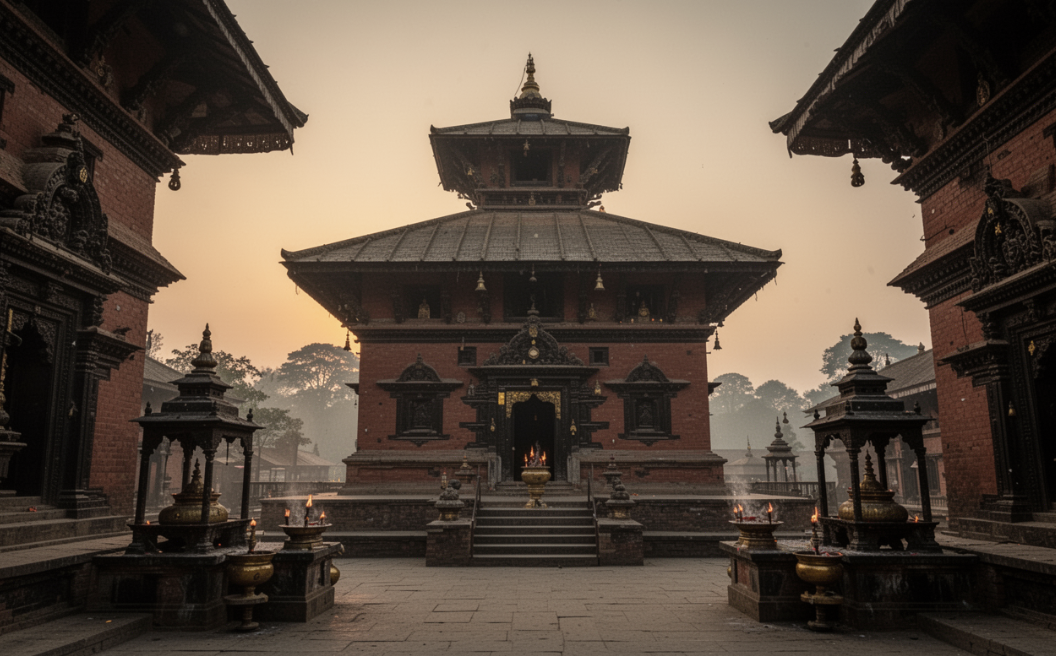
What is Kaula?
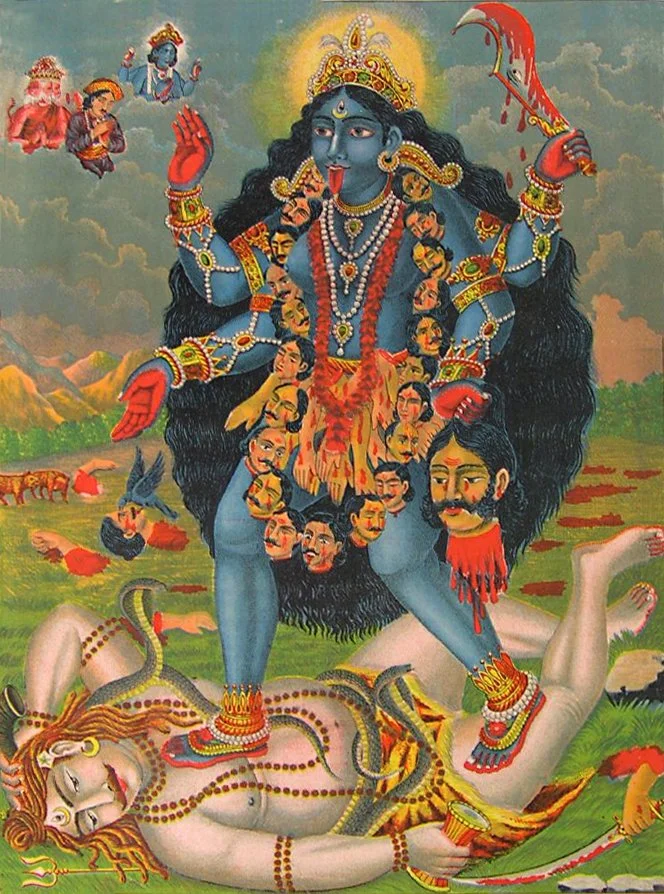
Kaula, meaning “belonging to the family (kula) of the Goddess,” is a tradition in which all existence is understood as arising from and sustained by the Divine Mother.
The Kaula Tantras form a foundational stratum of Hindu thought, playing a central role in the development and articulation of Goddess worship across India.
Far from being marginal, this is a highly sophisticated tradition, articulating a supremely advanced metaphysics, culminating in Abhinavagupta’s Tantrāloka.
Within this tradition, key doctrines such as the subtle body and the awakening of Kuṇḍalinī find some of their earliest and most systematic expression.
The Kaula world is populated by powerful and distinct manifestations of the Goddess, including Kubjikā, Kālī, and Tripurasundarī, each embodying a complete and transformative vision of reality.
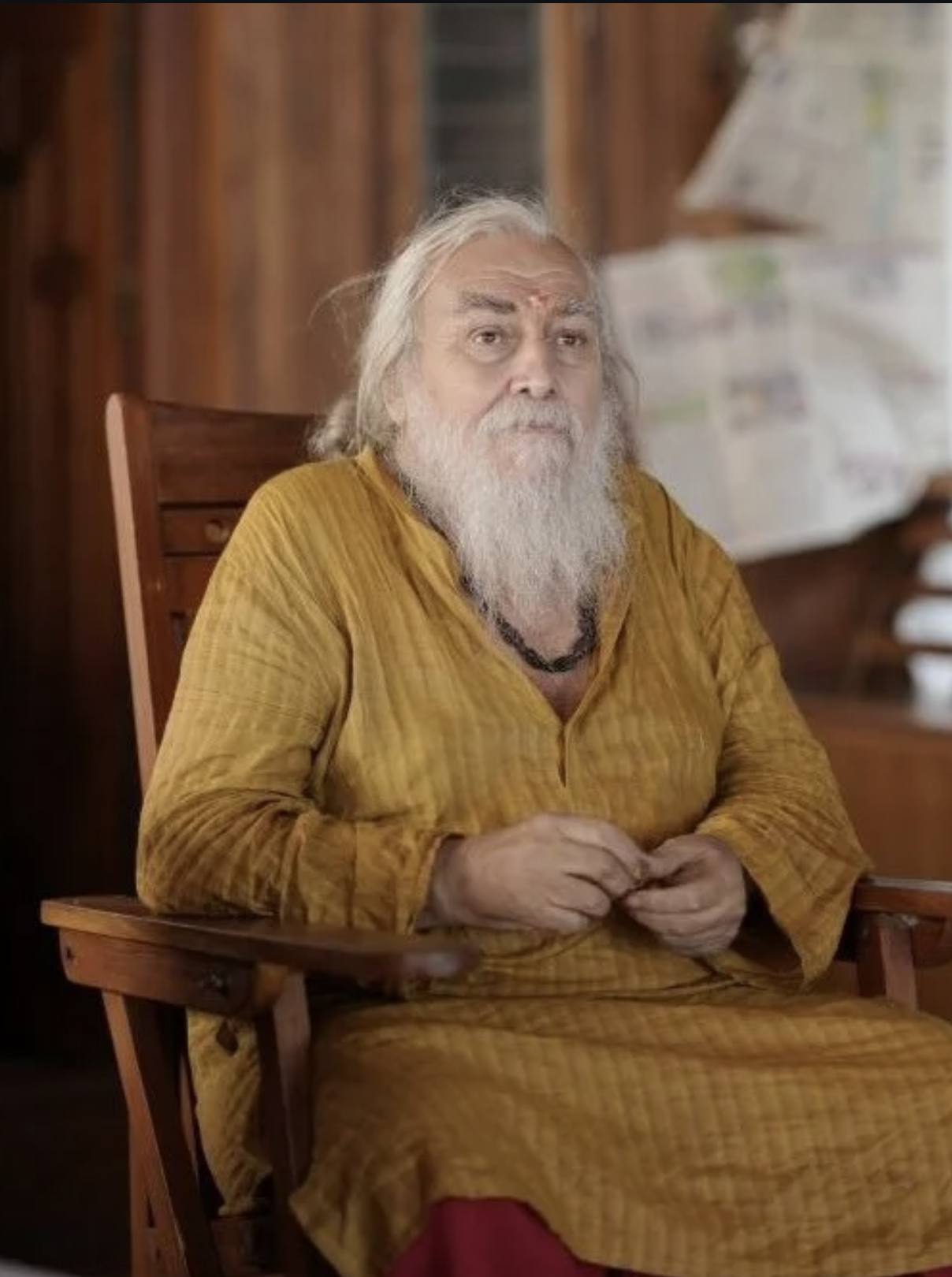
Dr. Mark Dyczkowski was one of the world’s foremost scholars of Tantra and Kashmiri Śaivism. His work is unparalleled in both scope and depth, combining rigorous manuscript scholarship with philosophical precision, and grounded in decades of direct engagement with living traditions.
His major contributions include:
Manthānabhairavatantra (14 volumes)
Abhinavagupta’s Tantrāloka (11 volumes)
His life’s work established a foundation upon which future generations can continue serious study of the Kaula tradition.
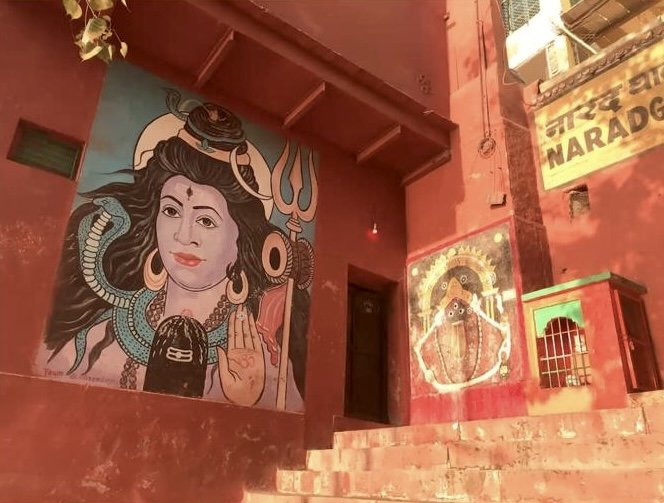
The Centre for Kaula Studies is based in Varanasi, India, in the very house where Dr. Mark Dyczkowski lived and worked for decades.
This house is not only a location, it is a living archive, and serves as an ongoing centre of study, preservation, and transmission.