
preserving and unveiling the Kaula traditions of india and nepal
Our MISSION
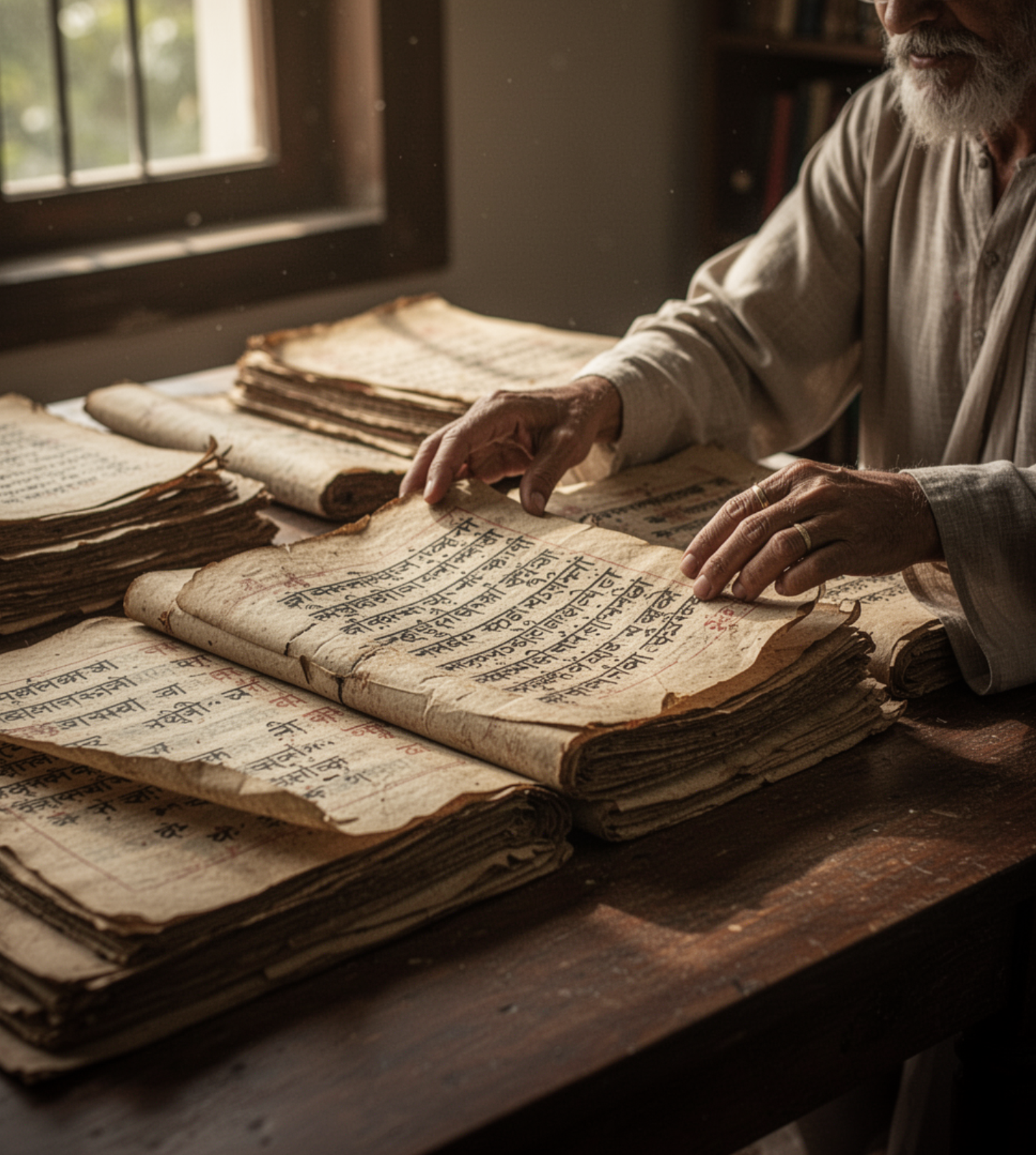
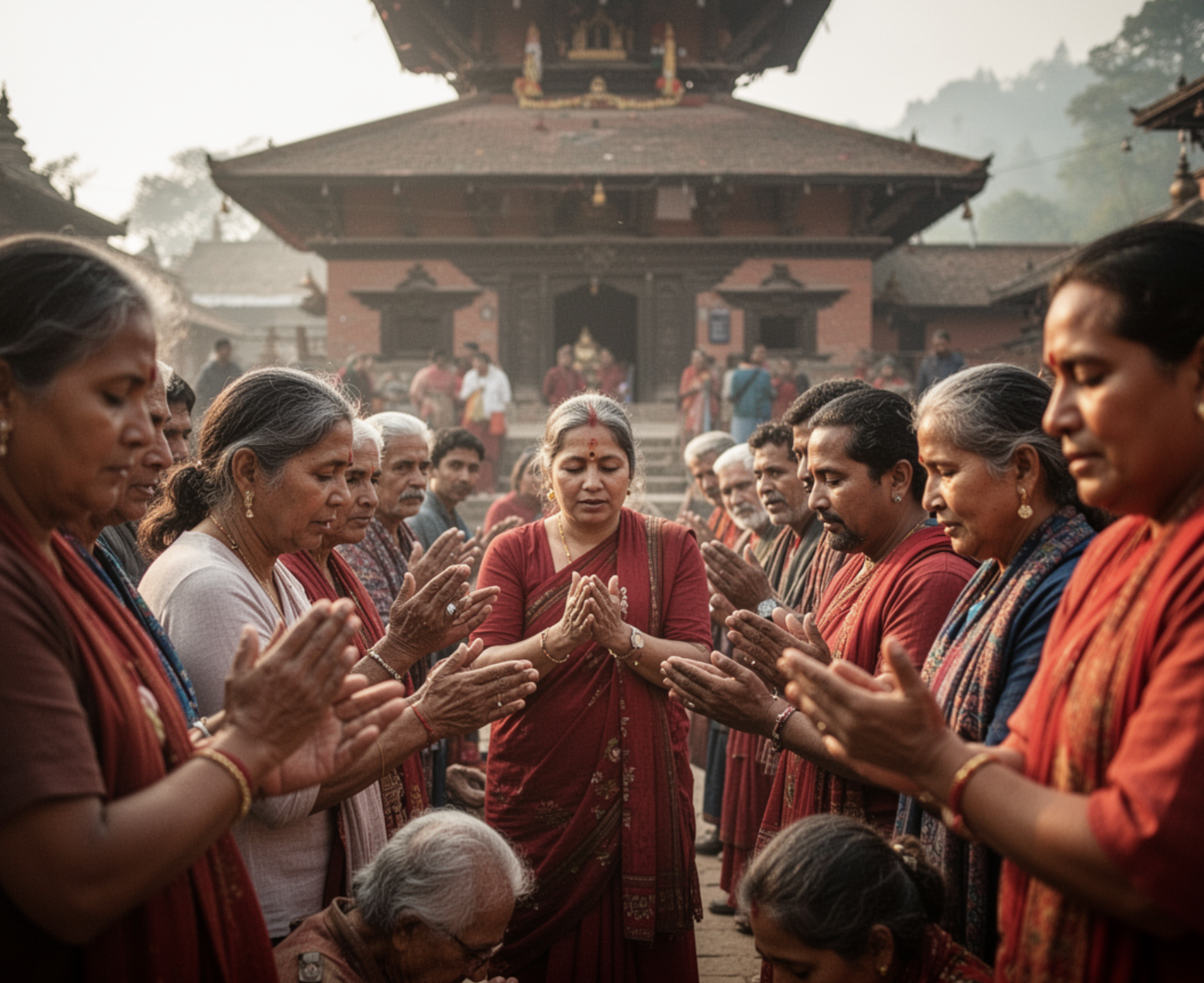
The Centre for Kaula studies is dedicated to preserving the rich cultural heritage of ancient India and Nepal. Our work is focused on the acquisition and transcription of rare manuscripts, as well as the scholarly study of the Kaula traditions, and the unveiling of their significance to contemporary Hinduism. Our ultimate goal is to inspire people to dive deeper into this timeless wisdom.



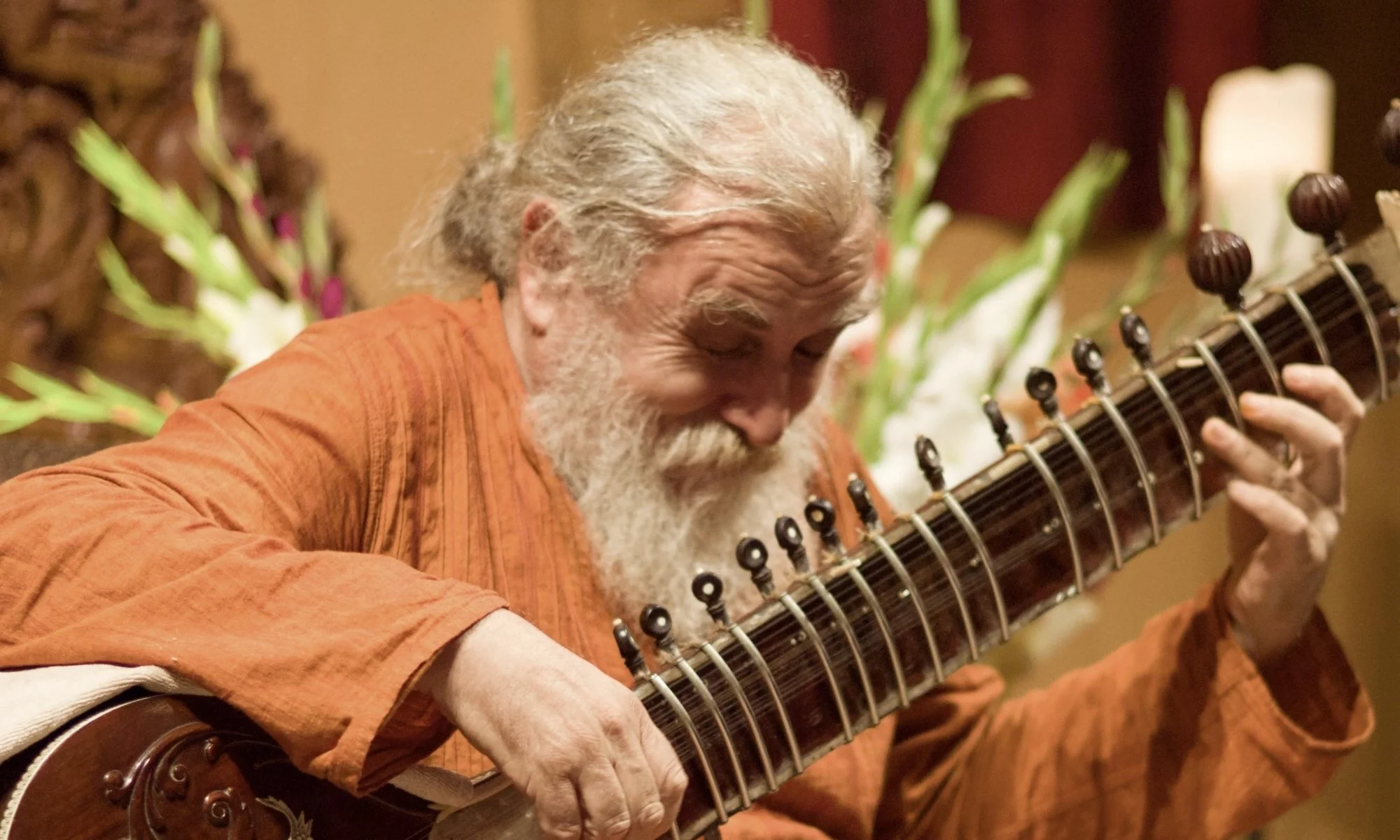
The Centre for Kaula Studies is offered in reverence to our teacher, Dr. Mark Dyczkowski, dedicated to the preservation and transmission of the Kaula traditions.
Our work focuses on:
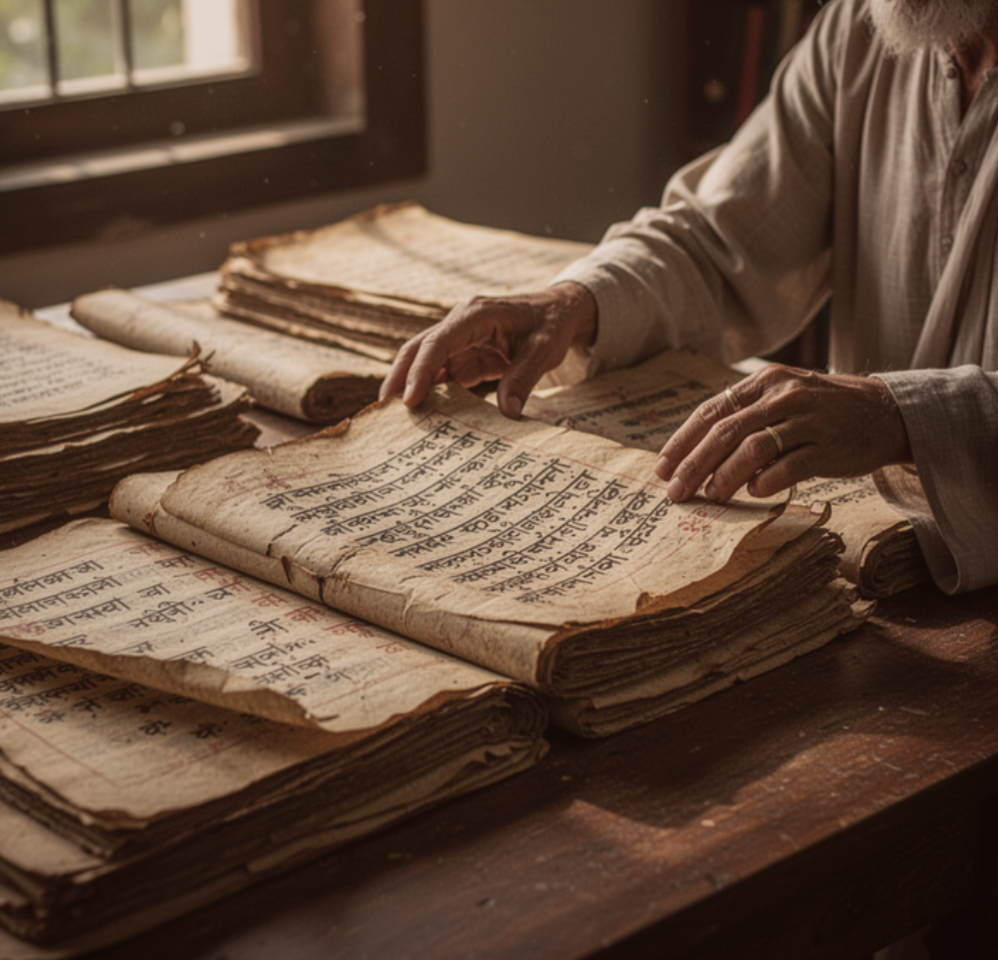
The identification, acquisition, and transcription of rare and endangered manuscripts.
The critical study of Kaula textual traditions within their historical and philosophical context.
Unveiling their significance within contemporary Hinduism.
Rather than adapting these traditions to modern frameworks, our guiding principle is more rigorous: striving to retain the depth, subtlety, and integrity of the tradition, whilst also exploring the contemporary significance.
Through this work we aim to:
Restore the Kaula traditions to their rightful place as foundational to Hindu thought and practice.
Illuminate their role in the development of Śākta traditions and the worship of the Divine Mother (Mahādevī).
Inspire serious students, scholars, and practitioners to engage deeply with this timeless body of knowledge.